
Proposed Emergency Healthcare Ecosystem

No Life Is Lost Due to Delay.

Lifeline X is a proposed emergency healthcare ecosystem designed to connect patients, responders, ambulances, hospitals, and medical services when every second matters.

Faster emergency coordination
Smarter hospital readiness
Concept

First-response rapid bike mobility

Telemetry

Hospital pre-alert integration

Security

Encrypted emergency profiles

Emergency Flow Architecture

Interactive Node Inspector
STEP 03Command Center
Route Matrix Calculated

Central engine calculates optimal response matrix & resources.

Action: Multi-service dispatch orchestration
Protocol: Autonomous traffic-aware coordination
Target: Minimize every avoidable secondEmergency → Info → Coordination → Response → Care

The Emergency Response Challenge

When Every Minute Matters

In an acute medical emergency, delays compound quickly. Lifeline X addresses the systemic friction points between an emergency call and hospital intervention.

The Critical Delay Cascade in Conventional Emergency Care

01Minute 0–4

Response Delays & Traffic Jam

Conventional ambulances encounter heavy metropolitan traffic and narrow alleys, delaying first-contact resuscitation.

Compounding Latency
02Minute 4–8

Fragmented Communication

Multiple calls between bystanders, emergency operators, and hospital lines create relay bottlenecks and lost details.

Compounding Latency
03Minute 8–12

Missing Patient Context

Responders on scene lack critical patient medical history—allergies, baseline conditions, or emergency family contacts.

Compounding Latency
04Minute 12–18

Hospital Preparation Blindspot

Emergency rooms receive patients with zero advance vital signs, leading to frantic triage delays upon arrival.

Compounding Latency

Access Constraints

Physical barriers and complex urban layouts delaying entry.

Resource Scarcity

Time spent identifying available blood units or specific antivenom.

Communication Gaps

Lack of a shared real-time operational picture across agencies.

Our story

We are building Lifeline X for moments when delay can become danger.

This is more than a technology concept. It is a response to real problems that show up in emergencies, hospital handoffs, and public health coordination every day.

Founder story

We started this because we saw how fragile emergency coordination can be.

The idea behind Lifeline X began with a simple observation: in many emergency situations, the delay is not always the ambulance itself. It is the time lost to poor communication, missing context, traffic bottlenecks, and confusion between responders, hospitals, and families.

We wanted to build something calmer, faster, and more human. A platform that helps the right information reach the right people at the right time, without requiring anyone to chase it down under pressure.

Founder note

“We are not trying to replace human care. We are trying to make the first critical moments smarter, clearer, and more connected.”

Because speed is not enough without coordination

We wanted to create a system that helps EMS, hospitals, and families move from disconnected calls to one shared response picture.

Because critical medical details should not be lost

Emergency teams should not need to guess allergies, medications, or emergency contacts while a patient is waiting for help.

Because every delay has a human cost

When traffic, handoff gaps, or missed context slow care, the impact is felt by patients, families, and healthcare teams at the same time.

The team behind the idea

AM

Aarav Mehta

Founding Product Lead

Focused on building technology that feels practical, calm, and easy to trust during high-pressure situations.

RK

Riya Kapoor

Medical Coordination Strategist

Works closely on emergency workflows, safety design, and making sure the platform supports real medical decision-making.

SV

Sahil Verma

Operations & Partnerships

Connects the idea with responders, hospitals, and community teams so the ecosystem can grow meaningfully over time.

Proposed Solution Architecture

One Connected Emergency Ecosystem

Lifeline X is designed to connect every critical touchpoint in the emergency healthcare journey—reducing avoidable delays between an emergency and the right care.

Rapid Emergency Response Bike
Proposed MobilityFirst-Response Mobility

Rapid Emergency Response Bike

Challenge: Urban congestion and narrow streets can delay conventional ambulances by vital minutes.

Lifeline X Approach: A proposed agile emergency response motorcycle capable of cutting through traffic with a trained paramedic and trauma kit.

Learn moreConcept
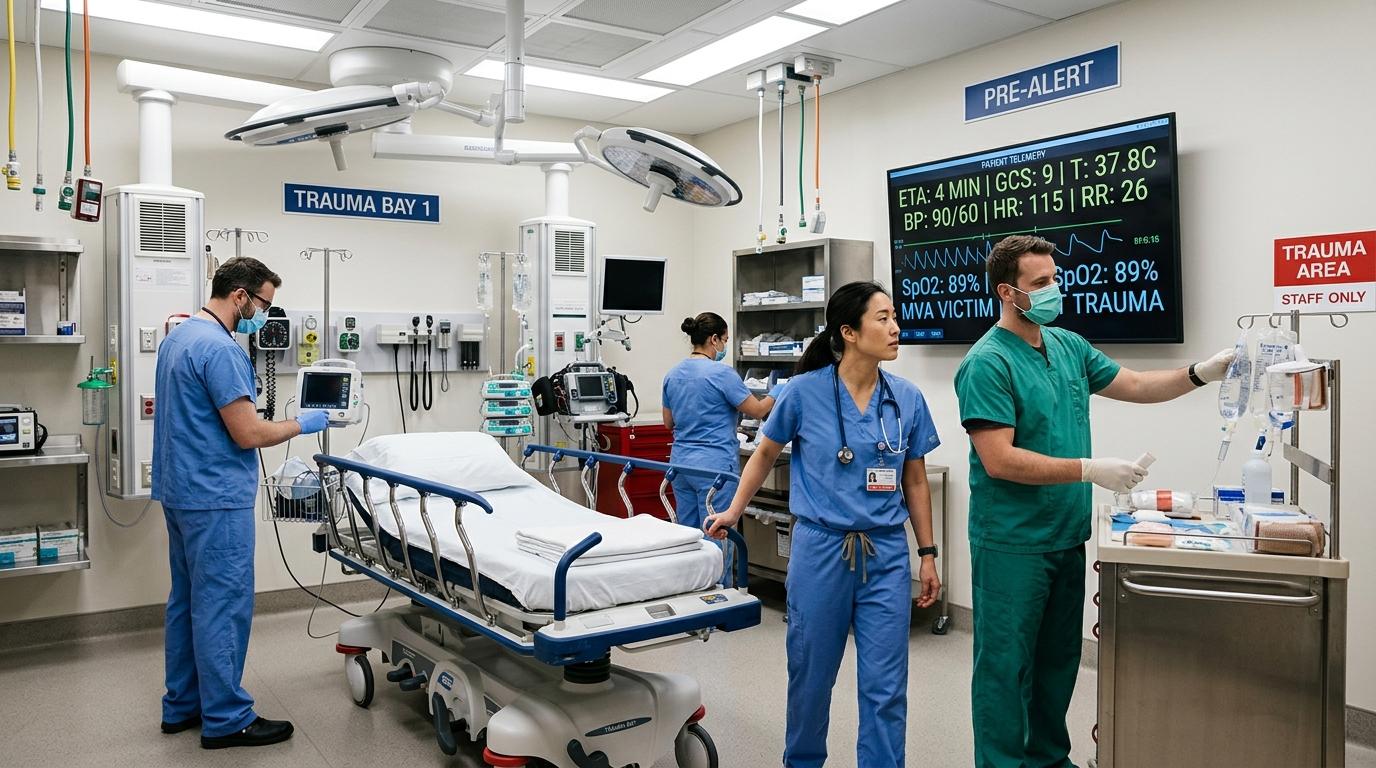
Hospital Pre-Alert System
Digital Pre-AlertTrauma Bay Readiness

Hospital Pre-Alert System

Challenge: Trauma teams frequently receive incoming emergencies with near-zero advance notice.

Lifeline X Approach: Secure transmission of patient vitals, ETA, and triage telemetry to the emergency bay before arrival.

Learn moreConcept
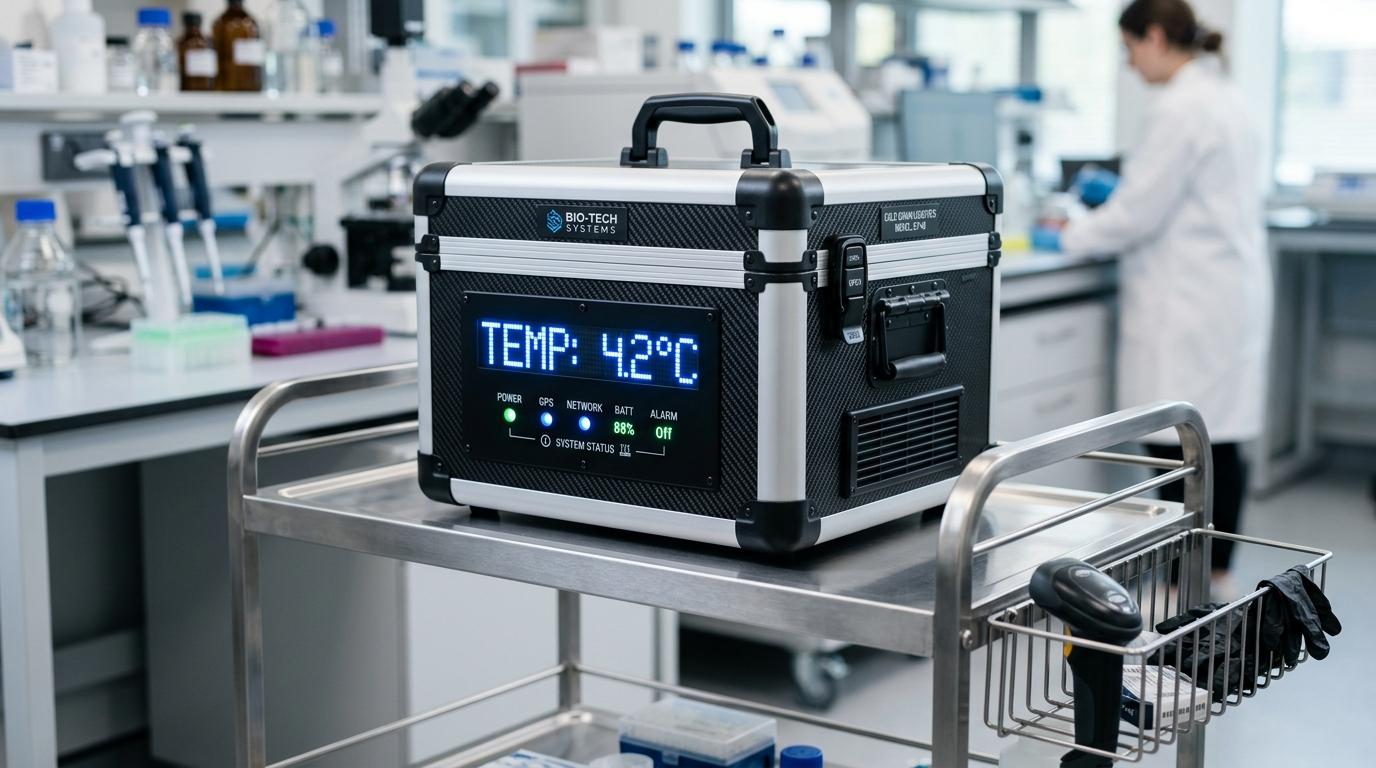
SMCTM — Cold Chain Transport
IoT Hardware PrototypeTemperature-Sensitive Logistics

SMCTM — Cold Chain Transport

Challenge: Vaccines, rare blood units, and samples suffer loss when cold chains fail in transit.

Lifeline X Approach: Smart Medical Cold Transport Module featuring active Peltier cooling and real-time IoT temperature telemetry.

Learn moreConcept

Note on Medical Safety: Lifeline X is an emergency coordination technology architecture. AI features are intended to assist—not replace—qualified healthcare clinicians and medical directors.

Process

How It Works

A proposed five-step emergency coordination flow designed to reduce delays between emergency and care.

Interactive Architecture

The Connected Emergency Ecosystem

A unified coordination fabric linking patients, first responders, vehicles, hospitals, and medical logistics when seconds count.

Ecosystem Component

Command Center

Bidirectional Data Exchange

Central coordination layer designed to orchestrate emergency response across the ecosystem.

Ecosystem Role

Central operational coordination layer orchestrating the ecosystem.

Data Stream Handshake

Incident dispatch matrix, multi-agency routing, telemetry aggregation.

Illustrative scenarios

How Lifeline X could help in real situations

These are short, human-centered examples of the kinds of problems this ecosystem is designed to address.

Urban response

A rushed city emergency with no time to lose

A patient collapses in a dense market area while traffic is at its peak. Without an instant handoff, responders spend precious minutes trying to identify the correct route, medical details, and destination.

What Lifeline X could do

Lifeline X is designed to help surface location, emergency context, and a prepared receiving hospital before the team arrives.

See the concept
Rural referral

A family trying to reach help in a difficult location

A critical case reaches a rural clinic late at night. The clinic needs a faster way to coordinate ambulance availability, referral pathways, and a receiving center that already knows the patient’s essentials.

What Lifeline X could do

The platform aims to reduce the time lost in handoff conversations and make that coordination feel more organized and less stressful.

See the concept
Hospital readiness

A trauma bay preparing for an incoming patient

The emergency department receives a patient with limited prior context. Staff are ready, but the missing information slows preparation and decision-making in the first precious minutes.

What Lifeline X could do

With pre-alerts, secure data exchange, and a common view of arrival details, teams can prepare faster and respond with more confidence.

See the concept

Architecture

Proposed Technology Architecture

The following technologies are proposed components of the Lifeline X platform. Not all components are currently deployed.

AI
GPS
IoT
Cloud
Telemetry
Secure Data
Smart Routing
Real-time Communication
Emergency Coordination

These are conceptual technology building blocks. Implementation, validation, and deployment timelines are subject to engineering and regulatory review.

The Future of Emergency Healthcare Should Be Connected.

Technology should help reduce avoidable delays between an emergency and the right care.